October 2026
Seasonal Affective Disorder: Be Kind to Yourself as the Seasons Change
Sometimes, as summer gently gives way to autumn and the days become shorter and darker, we may notice a change in how we feel. We might feel a little sad, have less energy than usual, or find ourselves longing for the warmth and light of summer. Sometimes not even thoughts of pumpkins, conkers, crunchy leaves and fireworks can cheer us up.
For some of us, these feelings can become more persistent and begin to affect our everyday lives. This may be a sign of Seasonal Affective Disorder (SAD), sometimes referred to as the “winter blues”. Winter-onset SAD can bring a range of symptoms, including a persistent low mood, lack of energy, cravings for carbohydrates, feeling restless or irritable, feelings of hopelessness or worthlessness, weight gain, sleeping too much or too little, difficulty concentrating and withdrawing from social activities.
If you recognise some of these feelings in yourself, please take a moment to be kind to yourself. 💛
We cannot change the seasons, but we can find gentle and compassionate ways to care for ourselves as we adjust to this new phase of the year. There is no need to put pressure on yourself to feel better straight away. Sometimes, the smallest steps can make a meaningful difference.
Why does this happen?
As the days become shorter, we receive less natural daylight. This can affect several processes within our bodies, including our internal body clock, known as the circadian rhythm, which helps regulate our sleep-wake cycle. Changes in daylight exposure can also influence the brain chemicals and hormones involved in our mood and sleep, including serotonin, which plays an important role in mood regulation, and melatonin, which helps regulate sleep. Reduced sunlight can also affect our vitamin D levels. Together, these changes may contribute to shifts in our mood, energy levels, sleep patterns and overall sense of wellbeing.
Understanding why we might feel this way can help us approach ourselves with greater compassion. We don't need to blame ourselves for struggling. Instead, we can begin to listen to what we need and find ways to support ourselves through the darker months.
What can help?
Although we cannot control the changing seasons, there are gentle ways we can support our wellbeing and help ourselves adjust.
Get outside in natural daylight. Whenever you can, make time to step outdoors, even if it is just for a short while. Every opportunity to enjoy the daylight is worthwhile. Spend time in nature. A gentle walk in the park, a stroll through the woods or simply sitting outside can give us a chance to pause, breathe and reconnect with the world around us. Move your body regularly. Find a form of exercise that feels manageable and enjoyable. It doesn't have to be strenuous; even a short walk can be a positive step. Stay connected with friends and family. When our mood is low, we may feel like withdrawing from others. A conversation, a phone call or a shared cup of tea can help us feel connected and less alone. Keep up with your usual activities. Where possible, continue doing the things that bring you comfort, enjoyment or a sense of routine. Be gentle with yourself and adapt activities to suit your energy levels. Try to maintain a regular sleep routine. Going to bed and waking up at similar times each day can help support your body's natural rhythm.
Some people also find light therapy helpful. This involves using a specially designed light therapy box to provide bright light that mimics aspects of natural daylight. If you are considering light therapy, please speak with your GP first, as it is not suitable for everyone, depending on existing health conditions or medications.
Remember, looking after yourself isn't about doing everything perfectly. It's about finding small, realistic ways to support your wellbeing, one day at a time.
When sadness feels heavier…
Sometimes, our sadness can feel overwhelming. What begins as a low mood may persist, deepen or start to affect our everyday lives. For some people, this may be depression. Even admitting to ourselves that we are struggling can feel difficult. We may find ourselves wondering why we feel this way, struggling to make sense of our emotions or feeling frustrated that we cannot simply snap out of it. It is also important to recognise that seasonal changes may not be the only thing affecting how we feel. Other life circumstances, worries, losses or pressures may be contributing to our emotional wellbeing, too.
If this sounds familiar, please remember that you do not have to struggle on alone. You deserve to be heard, understood and supported.
Talking with a professional counsellor can provide a safe, supportive and non-judgemental space where you can begin to explore what is happening for you.
Counselling can help you to:
Find space to breathe, slow down and relax.
Discover grounding strategies to help you feel more present and settled.
Explore your thoughts, feelings and emotions in a supportive environment.
Gain a different perspective on the challenges you are facing.
Reconnect with your strengths and develop a renewed sense of energy, direction and purpose.
Let a little light into your life…
As we move through autumn and winter, let's recognise that some days will feel easier than others. There may be times when all we can manage is one small step, and that is okay. We can learn to listen to what we need, accept support when we need it and remind ourselves that we are worthy of care in every season. If the darker months feel particularly difficult this year, please know that help is available. Be patient with yourself. Take things one day at a time, and remember that even in the darkest season, there are ways to find comfort, connection and hope.
Together, we can find ways to bring a little more light and warmth into our lives, whatever the season.
Where to find more information and support
NHS: Read the NHS guide to Seasonal Affective Disorder for more information about symptoms and treatment.
Mind: Visit mind.org.uk for information and support with mental health and wellbeing.
If your low mood persists, affects your daily life or feels difficult to manage, please speak with your GP. Reaching out is a positive step towards looking after yourself, and you deserve support and care.
March 15th 2026 Mother’s Day …
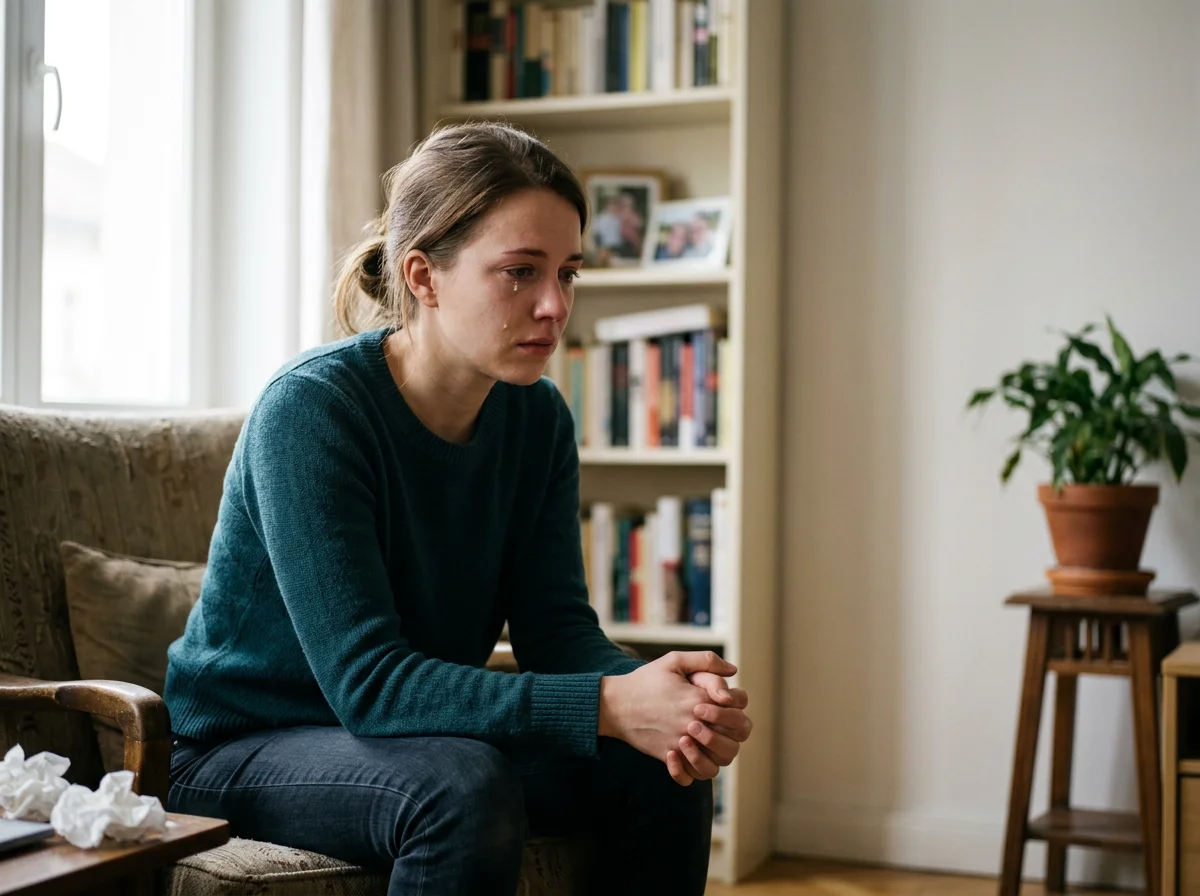
I wonder what this means to you… We each have different experiences, different situations and circumstances and what can be joyful and fulfilling for some, may be utterly distressing, or overwhelmingly sad for others. If you are in the joyful sector, please spare time and care for those who may not be.
I work often with couples and individuals who are moving along or have had difficult, arduous and incredibly sad journeys to motherhood.
Some never make it.
Some do, but it has been tragically cut short.
It takes courage to seek counselling to share deep, inner vulnerabilities, articulate sorrow, share darkest thoughts. It can, however, provide grounding and be helpful in making sense of swirling thoughts and emotions, bringing some healing, aiding self understanding, self acceptance and self compassion. It can lead to rebuilding and reimagining of situations.
Others may have had complicated relationships with their mothers, traumatic interruptions, relationship breakdowns and/or who sadly never received the care, love, acceptance and encouragement they deserved.
And of course there are many people who have lost their mother through death and are grieving them, trying to navigate the overwhelming messiness which grief can bring or perhaps finding themselves revisiting the event even years after.
You may find yourself in such a place, and if you do, please can I encourage you to take good care of yourself, taking time to soothe, calm and meet your needs. If you find yourself in need of grounding, try to focus on your senses - what you can see, hear, touch, smell and taste - get outdoors if you can and feel the wind, the rain or sunshine on your face. Whether you are inside or outside, try to really notice your surroundings, colours, textures, smells, sounds and allow yourself to breathe deeply and slowly to dispel anxiety or stress.
This day is just one day, but it can evoke many thoughts, feelings and sensations, so be kind to yourself, allowing yourself to know self-acceptance, self-love and be comforted.

January 2026
I wonder what the start of this new year is feeling like for you. Sometimes, thankfully, we can enter a new year with optimism, confidence, energy and enthusiasm. But I am very aware that this is not always the case.
Different things may have happened, the future may look uncertain or unclear, everything we have built or established may have crumbled, relationships may have been lost or harmed and those we love may no longer be present. At these times, the start of a new year can seem frightening and overwhelming.
If this is you, I encourage you to just take one step. Just one step. That is enough. With each step we take, our perspective and situation changes.
It can be helpful to talk through the difficulties, to identify anxious thoughts and different emotions. Counselling can provide vital empathic, non judgemental support with which to begin this journey towards restoration, healing and hope.


Monday 17 November 2025
Bereavement, Grief and Loss
One thing is certain, everyone at some point in their life, unfortunately experiences grief.
Loss can feel unbearable, exhausting, overwhelming and it seems incomprehensible that others continue seemingly unaffected by our loss.
We can feel very alone.
At these times, when everything has changed, it can be helpful to have the professional help of a Counsellor providing a safe and confidential space to talk, to cry and to dare feel those swirling, destabilizing emotions.
Counselling has been described as “light in a dark place” or “an anchor in the storm” allowing us to understand that grief is a messy process and that it is “ok to not feel ok.”
Even though everything has changed, there can be hope that it will not be or feel, exactly like this forever.

Monday 3 November 2025
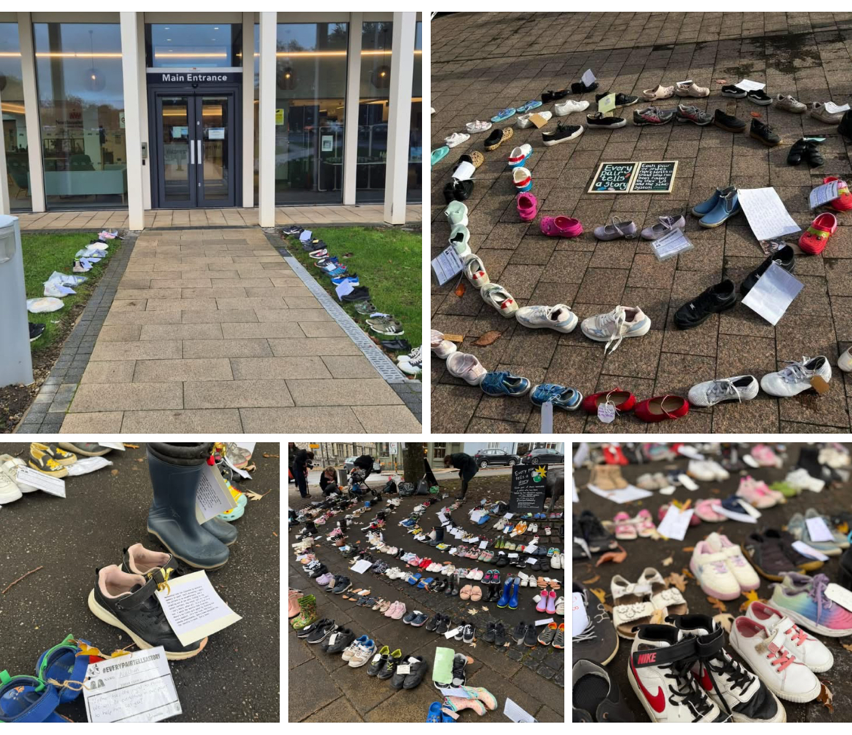
Every Shoe Tells a Story…
What a powerful, peaceful statement created by parents and carers to show the scale of the SEND crisis throughout the UK. Over 90 Local Authorities took part each led by volunteer parents who laid out pairs of children’s shoes to represent those who have been failed by the education system. Every shoe told a story of a child who has waited too long for an assessment, been denied an assessment, been left without a school place or struggled without the support they need to thrive affecting confidence, achievement and reducing positive life outcomes. This was not about anger this was parents standing shoulder to shoulder, visibility, compassion and truth. This is what love, strength and unity looks like.
If you are a parent or carer of a child who has special educational needs and disabilities and/or if you placed a shoe today, maybe you find yourself somewhere within the system, perhaps feeling exhausted, lost, isolated, hurt, confused, angry, ignored and even shamed, please reach out today to Trust Counselling South West who is here to support you so you are not alone. Your voice, thoughts, feelings and wellbeing matters. It really can help to talk to a qualified, empathic, non judgemental Counsellor.
Other sources of support
www.plymouthias.org.uk Plymouth Information Advice and Support for Send
www.ipsea.org.uk Independent Provider of Special Educational Advice
www.sossen.org.uk SOS!SEN Independent helpline for Special Education

1 November 2025 - Autumn Thoughts…
As we move through Autumn noticing the changes around us, the gorgeous vibrant colours, crunchy leaves, cooler air, berries, conkers, acorns and busy squirrels building their food stores, it may prompt reflection on our lives.
What has happened, is happening and what lies ahead? Can we take protective action like the squirrels to kindly care for ourselves?
As we reflect, we may notice a multitude of emotions, perhaps regret for times past or frustration at missed opportunities. Maybe sorrow and grief for loved ones lost, thankfulness for those we have, gratitude for or worry about a current health or circumstance, anxiety or anticipation of what is ahead – the unknown, the what ifs…
Wherever you are and whatever has happened and still is to happen, it can be releasing and helpful to talk to an impartial, empathic, non judgemental Counsellor.
There is power in being truly heard.

National Adoption Week 20-26 October 2025
Recognising the Joys and Challenges of Adoption
This year, Adoption England is leading a heartfelt campaign that reminds us: just like all parenting, adoption can be messy and difficult, but it’s also joyful and rewarding beyond measure.
👉 Learn more: www.adoptionengland.co.uk/news/national-adoptionweek-2025
Follow You Can Adopt on Facebook and Instagram to join the conversation and see real stories from adoptive families.
Explore and Learn: Webinars and Events
Adoption England are hosting a two-part webinar series for anyone considering adoption. The sessions explore how children and families are linked and matched, offering insight at any stage of the adoption journey.
🔗 Find out more and register here.
On behalf of Adoption England, Adoption UK is offering a series of free online sessions covering key topics such as physical and mental health, finances, identity, and support networks. These sessions provide practical information and space to ask questions—whether you’re just beginning to explore adoption or already in the process.
🔗 Learn more: www.adoptionuk.org
PAC-UK is also running a series of free online and in-person events that bring together adopted people, birth parents, and adoptive parents. Their discussions will explore themes of family, belonging, trauma, and identity—creating opportunities to hear from people with lived experience and professionals in the field.
🔗 Visit: www.pac-uk.org
Counselling Support for Every Stage of the Adoption Journey
Trust Counselling South West understands that the adoption process is complex—sometimes stressful and always emotional. Whether you are considering adoption, preparing, or already an adoptive parent, foster carer, special guardian, or kinship carer, talking to a qualified, empathic, and non-judgemental counsellor can make a real difference. Adoption can raise many questions—some expected, others surprising. Emotions and thoughts can build up if left unspoken, sometimes leading to difficulties further down the line. If you recognise yourself in this, please know: you don’t have to face it alone.
All parents experience stresses and strains, and adoptive parenting brings unique challenges and joys. Trust Counselling South West recognises the courage, strengths, and responsibilities you carry in your unique role. If you are struggling—perhaps feeling overwhelmed, locked in difficult thought patterns, or simply in need of a safe space to reflect—please reach out. You’ll be met with warmth, empathy, and understanding from a qualified, trauma-informed counsellor who will truly listen.
With Gratitude
During this National Adoption Week, thank you to all who open their hearts and homes through adoption, fostering and kinship care, bringing love, hope and stability to a child who has experienced trauma.
Trust Counselling South West is here for you, just as you are there for others. 💛
